Overcoming the Anxiety of Pair Programming
Pair Programming Actually Means "We're In This Mess Together"

Let's get one thing straight. When they say "pair programming," your brain might scream "public performance review." It feels like an audition, every keystroke judged. Here's the truth they don't put in the onboarding docs: It's not a showcase. It's a shared battle against a confused piece of code. You're not being tested; you're teaming up to solve a puzzle. The anxiety comes from thinking you need to be perfect. You don't. You just need to be present.
Your Code Doesn't Have to Be Pretty (At First)
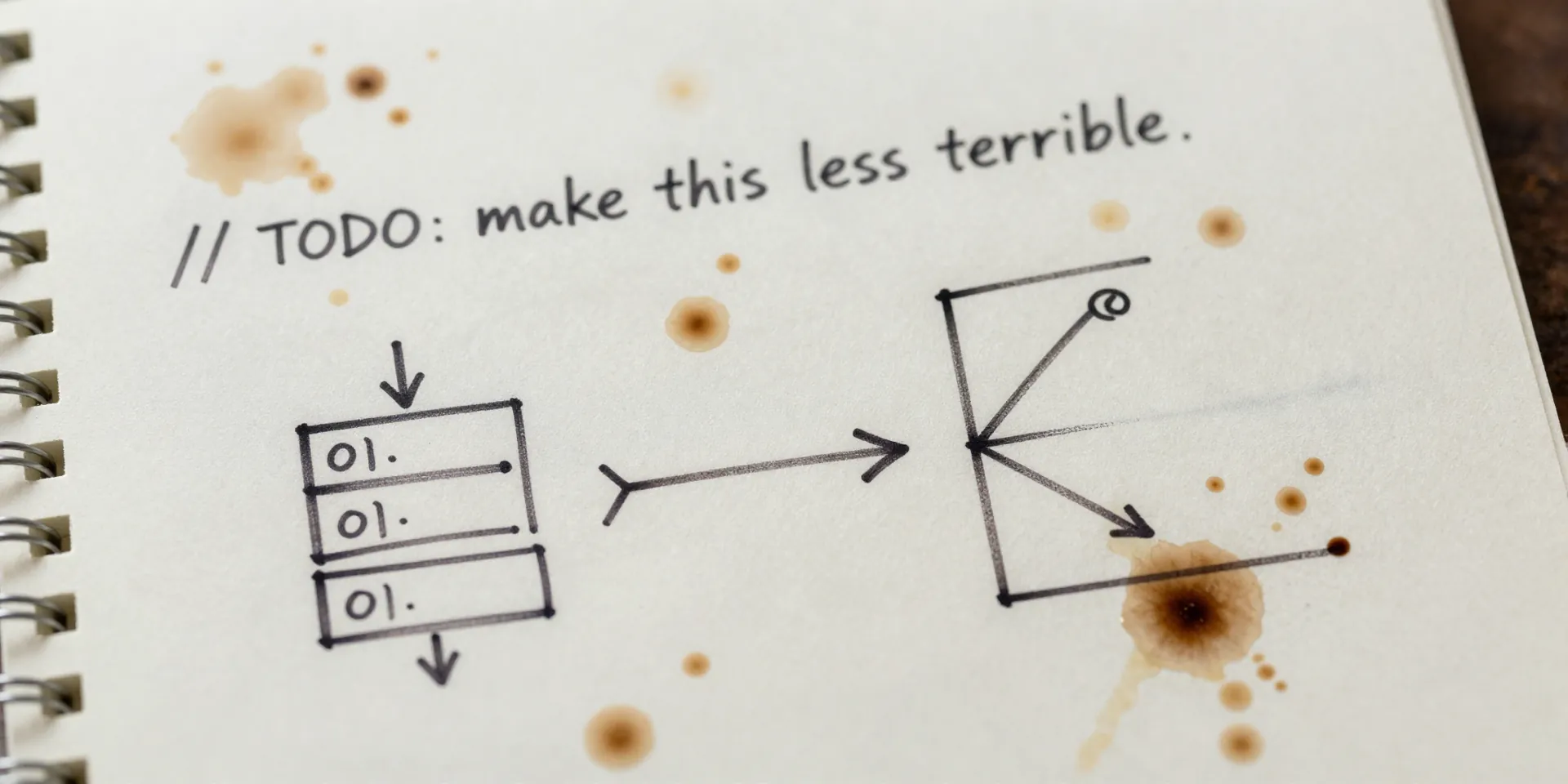
This was my biggest hurdle. I’d refactor a simple function six times in my head before typing, terrified my partner would see the clumsy first draft. It's exhausting. Actually, the messy draft is the entire point. Verbally untangling that spaghetti logic *with* someone is where the magic happens. You say the quiet part out loud: "Okay, this is ugly, but what if we just... shove this data here for now?" That’s not incompetence. That’s the process. The pressure to write pristine code in real-time is a fantasy. Let it go.
Your Partner is Probably Just as Stressed as You Are
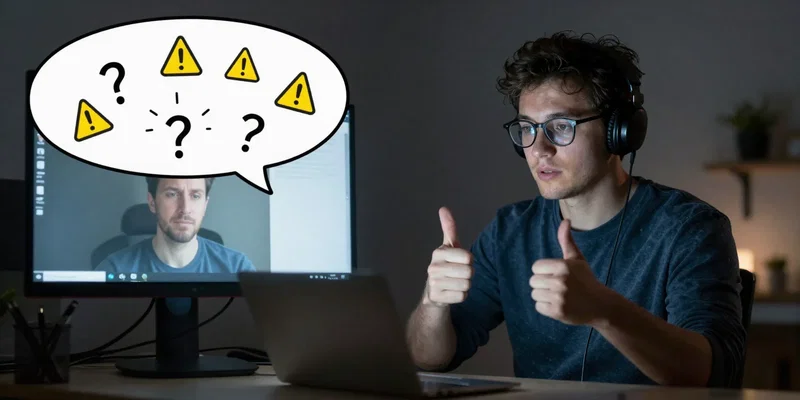
We're all pretending. The senior dev guiding you? They're worried about explaining things clearly. The new hire you're paired with? They're terrified of slowing you down. This isn't just your personal anxiety show; it's a collective, low-grade hum of social stress. Naming it helps. Try starting a session with, "I always get a bit in my head about this, bear with me." You'll be shocked how often the reply is, "Dude, same." It levels the playing field instantly. You're not a nervous dev and a calm dev. You're two people facing a shared, slightly awkward, human experience.
You Control the Vibe. Here's How.
Stop being a passenger in the anxiety-mobile. Grab the wheel. Set a timer and switch roles every 25 minutes—no debate. Use a shared notepad for "wild idea" doodles, so half-baked thoughts have a safe home. If you're stuck, say "Let me just brute-force this for two minutes in silence" instead of panicking. These are tiny, concrete rules of engagement. They turn a vague, socially fraught activity into a game with a clear turn structure. It's not about the code anymore. It's about following the simple rules you both agreed on. And that’s something you can actually do.
The goal isn't to become a pair programming extrovert. It's to make the process feel less like a spotlight and more like two people wearing hard hats, looking at a broken pipe. Pointing. Shrugging. And figuring it out, one messy step at a time.