How to Make a Blue Cheese Dressing From Scratch in 5 Minutes
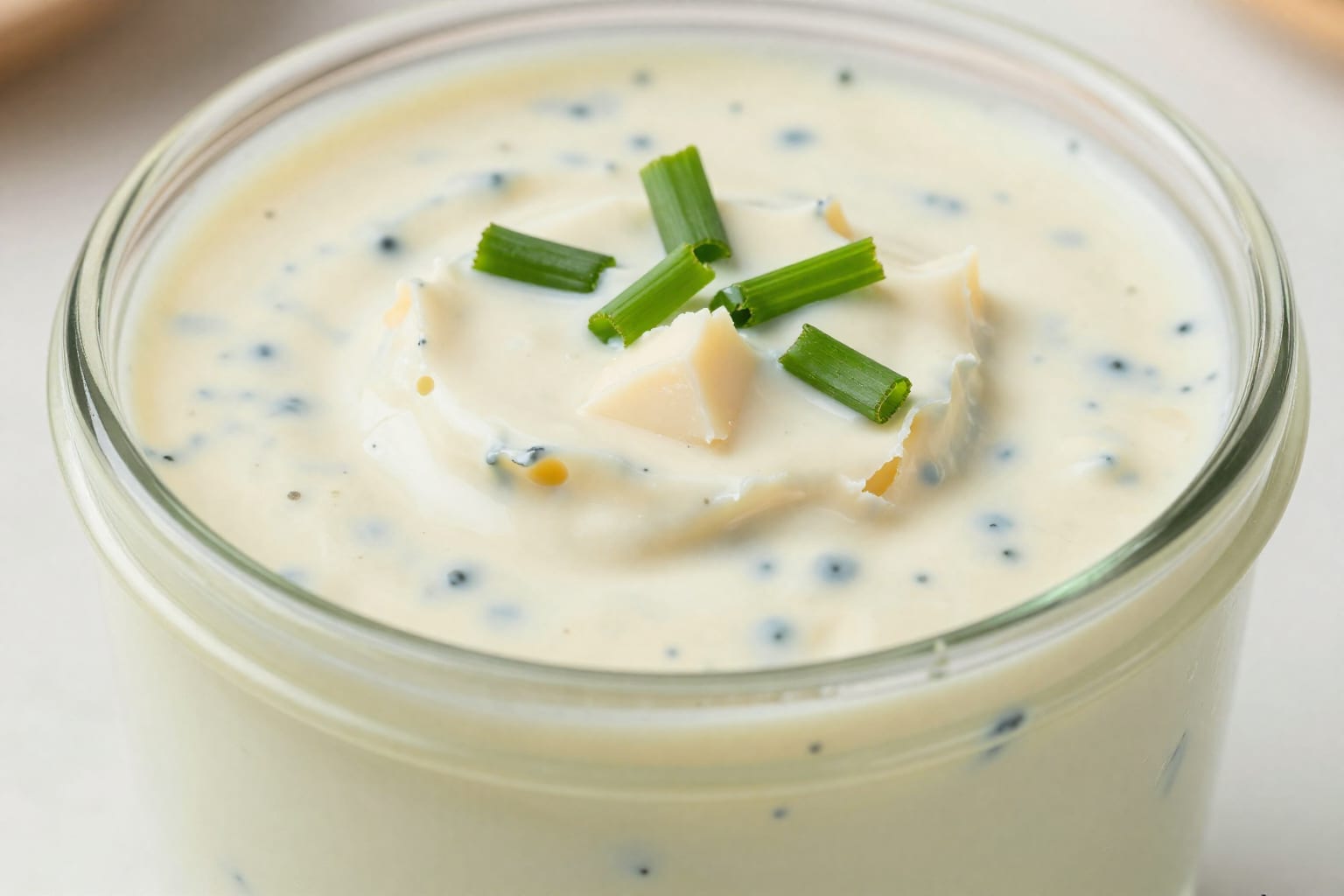
I stood in front of my open fridge, staring at a half-empty bottle of blue cheese dressing that had been sitting there for three weeks. The label boasted "authentic chunks," but the reality was a sad, uniform sludge that tasted more like powdered chemicals than real cheese. I tossed it, grabbed a wedge of Gorgonzola, and in exactly five minutes—I timed it—I had a dressing so creamy, tangy, and alive with pockets of salty blue that I wondered why I’d ever bought the stuff. This isn’t a recipe you need to plan ahead for. It’s the kind you make on a Tuesday night when the buffalo wing craving hits, and it genuinely takes less time than running to the store.
Why This 5-Minute Blue Cheese Dressing Beats Anything Store-Bought
Let’s be honest: most bottled blue cheese dressings are a compromise. They’re tweaked for shelf stability, not flavor. The cheese crumbles are often tiny and soft, the tang is muted, and there’s usually a faint chemical aftertaste from preservatives. When I first made this from scratch, I was shocked at how much brighter and more complex it tasted—like the difference between a fresh-picked tomato and a canned one. The other huge advantage is control. You decide how chunky, how tangy, how thick. Want it thin enough to drizzle over a wedge salad? Add a splash more buttermilk. Want it spoon-thick for dipping wings? Cut back on the liquid and let the cheese do the work. Plus, there’s zero waste: you make exactly as much as you need, and the leftovers actually stay good for a full week (more on storage later).
The 4 Essential Ingredients (and Why They Work)
You only need four base ingredients, but each plays a non-negotiable role. Here’s the breakdown.
1. Blue Cheese (the Star)
This is where you can really make a difference. I’ve tested this with Gorgonzola dolce (mild, creamy, almost buttery), Roquefort (sharp, salty, crumbly), and a domestic blue cheese from a local creamery (balanced, a little earthy). My personal favorite is Gorgonzola dolce for everyday use—it blends into the dressing while still leaving visible, soft crumbles. For a bolder punch, use a crumbled Roquefort. The key is to buy a wedge, not pre-crumbled, because pre-crumbled cheese often contains anti-caking agents that mess with the texture. Crumble it yourself, and you get those beautiful irregular chunks that make each bite interesting.
2. Mayonnaise (the Body)
Full-fat mayo gives the dressing its creamy, stable base. Light mayo works in a pinch, but the texture will be thinner and less luxurious. I use a good quality one—Hellmann’s or Duke’s—because they have enough acidity to complement the cheese without overpowering it. Avoid Miracle Whip; it’s too sweet and contains extra spices that clash with blue cheese.
3. Sour Cream (the Tangy Backbone)
Sour cream adds a distinct tang that mayo alone can’t match. It also helps thicken the dressing. I’ve tried substituting Greek yogurt here (it works, but the result is a bit thinner and more tart), and I actually prefer the full-fat sour cream for a richer mouthfeel. If you want a lighter version, use half sour cream and half plain full-fat Greek yogurt.
4. Buttermilk (the Consistency Adjuster)
Buttermilk is the secret to that pourable-but-not-runny consistency. It also adds a subtle tang that ties everything together. If you don’t have buttermilk, make a quick substitute: combine 1 tablespoon of lemon juice or white vinegar with enough whole milk to make ½ cup, stir, and let it sit for 5 minutes. That’s a perfect stand-in.
Step-by-Step: How to Make Blue Cheese Dressing in 5 Minutes
Here’s the exact method I use, including the little trick that gives you the best texture.
- Crumble the cheese. Take 4 ounces (about 115g) of blue cheese and crumble it into a medium bowl. Reserve about one-third of the crumbles for adding later—this is key for getting those big, visible chunks in the final dressing.
- Mix the base. Add ½ cup mayonnaise and ½ cup sour cream to the bowl with the remaining two-thirds of the cheese. Stir gently to combine—don’t overmix; you want some small cheese bits still intact.
- Add the buttermilk. Pour in ¼ cup buttermilk and stir until smooth. If you prefer a thinner dressing, add another tablespoon or two of buttermilk. Taste at this point: the dressing should be tangy but not sour, with the blue cheese flavor coming through clearly.
- Fold in the reserved cheese. Gently fold in the reserved crumbles. This gives you those beautiful, intact chunks that make homemade dressing feel special.
- Season and rest. Add a pinch of salt and a few grinds of black pepper. Let the dressing sit at room temperature for 5 minutes—this allows the flavors to meld. Then give it one last stir and use it immediately, or refrigerate for later.
One thing I learned the hard way: don’t use a whisk for the final stirring. A spatula or spoon keeps the cheese chunks intact. A whisk will break them down into a uniform paste, and you’ll lose that textural contrast.
3 Ways to Customize Your Blue Cheese Dressing
Once you’ve mastered the basic recipe, it’s easy to tweak it for different purposes. Here are three variations I regularly rotate through.
1. Herb-Flecked Version
Add 1 tablespoon each of finely chopped fresh chives and parsley, plus 1 teaspoon of fresh dill. This turns the dressing into something that rivals a fancy steakhouse version. I use this specifically for wedge salads or as a dip for crudités.
2. Lighter, Yogurt-Based Version
Swap the sour cream for an equal amount of plain full-fat Greek yogurt, and reduce the mayo to ¼ cup. The result is tangier and slightly less rich, but still creamy enough for wings. It’s my go-to when I’m serving it alongside a heavy meal.
3. Dairy-Free Adaptation
Use vegan mayonnaise and vegan sour cream (both are widely available now). For the buttermilk substitute, combine ½ cup unsweetened almond milk with 1 tablespoon apple cider vinegar and let it sit for 5 minutes. I’ve also added a teaspoon of nutritional yeast to mimic the funkiness of blue cheese—it’s not a perfect replica, but it’s surprisingly close. For the “blue cheese” itself, look for a vegan blue cheese alternative (brands like Violife or Follow Your Heart make good ones) or simply crumble a firm tofu that’s been marinated in brine for a day.
How to Store and Use Leftover Dressing (Beyond Salad)
Homemade blue cheese dressing will keep in the fridge for up to 7 days if stored properly. Use an airtight glass jar or a container with a tight lid—plastic containers can absorb odors and affect the flavor. You’ll notice separation after a day or two (the solids settle at the bottom); that’s normal. Just give it a good shake or stir before using. I’ve found that the flavor actually improves after 24 hours, as the cheese has time to meld with the other ingredients.
Beyond salads, this dressing is incredibly versatile. It’s the classic dip for buffalo wings—just toss your wings in hot sauce and serve the dressing on the side. It also works as a spread for burgers (especially on a brioche bun with caramelized onions and bacon), a dip for a vegetable platter (carrots, celery, radishes), or even a dollop on a baked potato. One unexpected use I stumbled on: thin it with a little extra buttermilk and use it as a sauce for grilled chicken or steak—it’s fantastic.
One honest caveat: this dressing does not freeze well. The dairy separates and becomes grainy upon thawing. So make only as much as you’ll use within a week, or halve the recipe if you’re cooking for one or two.
Frequently Asked Questions
Can I use any blue cheese for this dressing?
Yes, but the choice changes the character. Milder cheeses like Gorgonzola dolce yield a creamier, more approachable dressing. Aged Roquefort or Stilton give a sharper, saltier punch that I love for bold dishes like buffalo wings. For a middle ground, try a domestic blue cheese from brands like Point Reyes or Maytag.
What if I don't have buttermilk?
Mix 1 tablespoon lemon juice or vinegar with enough milk to make 1/2 cup, let it sit for 5 minutes, then use it as a direct substitute. I’ve used this trick many times when I’m out of buttermilk, and it works perfectly.
How long does homemade blue cheese dressing last?
Stored in an airtight container in the fridge, it stays fresh for up to 7 days. Shake or stir before using if it has separated. I’ve pushed it to 10 days once, but the tang starts to fade and the texture gets a little watery.
Can I make this dressing dairy-free?
Yes, as detailed above: use vegan sour cream, vegan mayo, and an almond milk–vinegar buttermilk substitute. Add nutritional yeast for extra tang. The texture will be slightly thinner, but it still works great as a dip or dressing.
Why is my dressing too thick or too thin?
If it’s too thick, add a tablespoon of milk or buttermilk at a time until it reaches your desired consistency. If it’s too thin, stir in an extra tablespoon of sour cream or crumbled cheese. The cheese also helps thicken as it sits, so let it rest for 5 minutes before making final adjustments.
The most surprising thing I’ve learned from making this dressing dozens of times is that the resting period matters as much as the ingredients. Those five minutes allow the flavors to marry, and the texture to settle. So don’t skip it. This recipe has become my go-to for everything from a quick lunch salad to a game-day platter, and it’s the kind of thing that makes people ask, “Did you really make this yourself?”—and you can honestly say yes.